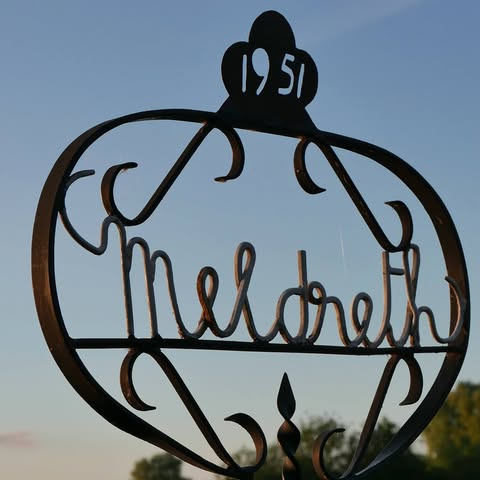
Your Village, Your Future: A Student’s Guide to the Meldreth Neighbourhood Plan
Meldreth is a special place, but it is changing! Whether it is new houses being built at the old turkey farm or fixing the wall at Holy Trinity Church, big decisions are being made right now.
A Neighbourhood Plan is like a giant rulebook for our village. It helps the authorities decide where new buildings should go, how to protect our nature, and what kind of fun things (amenities) we need. Usually, adults make these rules, but because you are the ones who will live here the longest, your ideas are the most important!
The Meldreth Parish Council is looking for “inspiring student projects” to help collect data for the plan in 2026. Here is how you can get involved.
Mission 1: The “Village Vibe” Audit
Goal: Find out what makes Meldreth feel like home and what is missing.
Meldreth has over 30 different clubs and associations! Your job is to investigate them and see if they have what you and your friends need.
- Club Investigation: Interview members of the Meldreth Amateur Dramatic Society (MADS), the Bowls Club, the Tennis Club, or the Croquet Club. Ask them: “Do you have space for more kids? What would make your club more fun for us?“.
- The “Secret Spot” Map: Use a map to mark where the Benches & Street Furniture are. Are they in the right places? Are there enough places for friends to sit and talk?.1
- The Helpfulness Survey: Talk to groups like Meldreth Charity, Meldreth Cares Community Support, the Meldreth Food Bank, or Homestart Royston. How do they help families in the village? Could students help them by organizing a donation drive at Meldreth Primary School?.
Mission 2: Nature Detectives & Planet Protectors
Goal: Protect our “Green” spaces and rare animals.
- Chalk Stream Champions: The River Mel is a rare “chalk stream”—there are only 161 in the whole country!. Work with the Melwood Conservation Group or the River Mel Restoration Group to count the fish or look for water voles.
- Tree & Flower Audit: Visit Melwood (the Nature Reserve) or the Burial Ground on Fenny Lane. Check the “wish list” created by the school’s Chaffinch Class—do we need more bug hotels or bird boxes?.
- Veggie Power: Visit the Meldreth Veg Club. Could we find space in the village for a “Community Orchard” where anyone can pick an apple?.
Mission 3: The Safe Streets & Easy Travels Team
Goal: Make it easier to get around without a car.
- The Train Station Link: Work with the Cam Valley Community Rail Partnership. How can we make the walk to the station safer and more fun? Could we add art to the station?.
- Safety Scouts: Investigate the Speed Cameras and Speed Indicator Devices around the village. Use a “tally chart” to count how many cars go too fast near the school gates.1
- Pedal Power: Talk to the Meldreth Cycling Club. Where do we need new “greenways” or cycle paths so you can bike to Melbourn or the train station safely?.
Mission 4: History & Heritage Hunters
Goal: Saving the stories and old buildings of Meldreth.
- The Time Machine Project: Work with the Meldreth Local History Group. Look at photos of the village from 100 years ago and compare them to today.
- Heritage Heroes: Inspect the Holy Trinity and All Saints Church Wall. It needs expensive repairs!. Can you help the Friends of Holy Trinity explain to the village why this old wall is worth saving?
- Village Mystery: Visit the Meldreth Conservation Area. Why are certain houses protected? What makes them look different from new houses?.
How to Present Your Findings
Once you finish your project, you need to tell us what you found. You can:
- Write a “Letter to the Project (info@meldrethplan.org.uk)”: Tell them exactly what you want, like “We need more equipment for the Meldreth Primary School”.
- Make a Poster: Show your data using bar charts or photos of the Recreational Ground.
- Create a Digital Map: Use “GIS” tools to show where the new Defibrillators should be placed so everyone can reach one in an emergency.
Remember: If you don’t speak up for the things you love in Meldreth—like the Guides, Brownies, and Rainbows or the Village Hall—they might be overlooked when the grown-ups write the final plan!.
Works cited
Footnotes
-
. Fieldwork in primary geography: ideas for using the school grounds and local area, accessed April 20, 2026, https://www.hfleducation.org/blog/fieldwork-primary-geography-ideas-using-school-grounds-and-local-area ↩ ↩2